


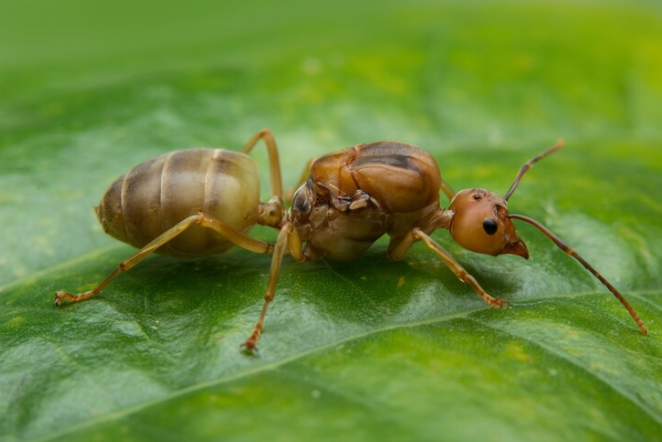
Many homeowners notice the same pattern every year: as temperatures rise, ants suddenly begin appearing inside kitchens, bathrooms, and other parts of the house. While this might seem random, it is actually closely linked to seasonal changes in ant behaviour. Warmer months create ideal conditions for ant colonies to grow, search for food, and expand their territory. As a result, ants often move indoors where resources are easier to access. Understanding why this seasonal surge occurs can help homeowners prevent infestations before they spread. When ant sightings increase, many turn to ant pest control in Melbourne to prevent the infestation from spreading. By recognising the environmental factors that drive ants indoors, you can take early steps to protect your home and avoid long-term pest problems.
Warmer Temperatures Increase Ant Colony Activity
Ants are cold-blooded insects, which means their activity levels are strongly influenced by temperature. During cooler months, ant colonies remain relatively inactive as they conserve energy. However, once the weather becomes warmer, their metabolism speeds up and the colony becomes far more active.
As temperatures rise, ants begin searching aggressively for food and water to support colony growth. Worker ants leave the nest in larger numbers, forming the trails that homeowners commonly notice along walls, floors, and benches.
Warmer conditions also stimulate reproduction. Many ant colonies produce new workers and reproductive ants during spring and summer. This increase in population requires more food sources, which often drives ants indoors.
Because houses provide stable temperatures and reliable food supplies, they quickly become attractive targets. Once ants find a suitable indoor food source, they can return repeatedly, bringing more members of the colony with them.
Indoor Spaces Offer Reliable Food Sources
One of the biggest reasons ants move indoors during warmer months is the availability of food. Kitchens, dining areas, and pantries contain a wide variety of food items that attract ants, including sugar, grease, and proteins.
Even small crumbs or sticky residues can provide enough food to sustain hundreds of ants. These insects have highly developed scent-tracking abilities, allowing them to detect food sources from surprising distances.
Once a scout ant discovers food, it leaves behind a pheromone trail that guides other ants directly to the source. This is why you often see ants moving in organised lines across benches or floors.
Common indoor food sources that attract ants include:
- Sweet foods such as honey or jam
- Crumbs under appliances
- Pet food left in bowls
- Open pantry containers
- Fruit stored on kitchen benches
Because these food sources remain available throughout the warmer months, ants may continue returning even after cleaning unless the colony itself is addressed.
Moisture Inside Homes Attracts Ants
While food is a major factor, moisture also plays an important role in attracting ants indoors. During warmer months, ants require reliable water sources to keep their colonies alive.
Bathrooms, laundry areas, and kitchens often provide the damp conditions ants need. Leaking taps, condensation, and poorly ventilated areas create ideal environments for ants to gather.
Certain ant species are particularly attracted to moisture and may build nests near plumbing systems or inside damp wall cavities. These areas offer protection from extreme weather while also providing consistent water access.
If ants repeatedly appear near sinks, showers, or drains, it is often a sign that they are searching for moisture rather than food. Addressing small leaks and improving ventilation can help reduce this attraction.
However, if ants have already established a colony nearby, professional inspection may be required to identify and remove the nest.
Outdoor Conditions Force Ants to Move Indoors
Another reason ant activity increases indoors during warmer months is because outdoor conditions can become less stable.
Heavy rain, extreme heat, or changes in soil moisture can disturb outdoor ant nests. When this happens, ants often relocate their colonies to more protected environments.
Homes provide excellent shelter from harsh weather conditions. Wall cavities, roof spaces, and subfloors offer stable temperatures and protection from predators.
Once ants find entry points into a building, they may establish nests inside structural areas where they remain hidden from view.
This is why ant infestations sometimes seem to appear suddenly after storms or heatwaves. In reality, the ants were likely already nearby and simply moved indoors when outdoor conditions changed.
Small Entry Points Allow Ants to Access Homes
Ants are incredibly small and can enter buildings through tiny gaps that homeowners rarely notice. Cracks in walls, gaps around doors, window frames, plumbing penetrations, and roof vents all provide possible entry points.
During warmer months, when ants are actively searching for resources, they will explore these openings and quickly find their way inside.
Once a few ants enter a property and locate food or water, they create scent trails that guide the rest of the colony along the same path. This can result in large numbers of ants appearing inside a home within a short period of time.
Regular property maintenance can help reduce these entry points. Sealing gaps, repairing cracks, and installing proper door seals can make it harder for ants to access indoor spaces.
However, if a colony has already established itself inside a structure, removing the nest becomes the priority to prevent repeated infestations.
Why Early Detection Saves Money
When ant activity first appears indoors, it may seem like a minor inconvenience. However, ignoring the problem can allow colonies to grow rapidly.
Some species, such as carpenter ants, can damage timber structures as they create nesting tunnels. Others may contaminate food storage areas or invade electrical systems.
Addressing the issue early can prevent larger infestations and reduce long-term costs. Understanding the ant control cost in Melbourne often helps homeowners realise that early treatment is far more affordable than repairing structural damage later.
Professional inspections can identify the ant species involved, locate hidden nests, and apply targeted treatments to stop the infestation at its source.
By acting early, homeowners can avoid the frustration of recurring ant problems and maintain a healthier living environment.
Warmer weather often brings increased ant activity, and homes provide the food, moisture, and shelter that ants need to thrive. Understanding why ants move indoors during summer can help you recognise early warning signs and prevent infestations from spreading.
If you are seeing more ants around your home during the warmer months, it may be time to seek professional advice. The team at Ants Pest Control Melbourne offers expert inspections and reliable ant management solutions for homeowners across Ringwood, Cranbourne, Hastings, Brighton, Dandenong, Malvern and Camberwell. For expert help and peace of mind, contact 03 8592 4707.