


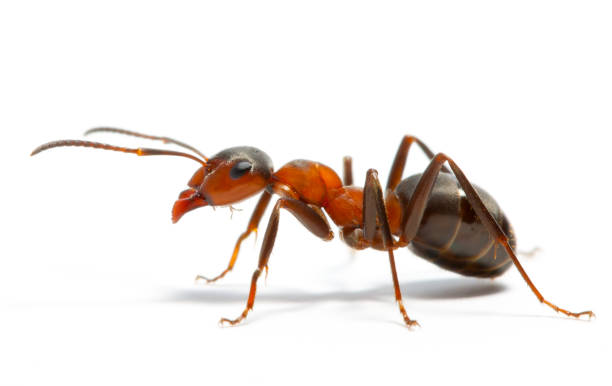
Ants can appear at almost any time of the year, but seeing a few ants does not always mean a property needs professional treatment immediately. The right frequency depends on the ant species, the size of the colony, where the ants are nesting and whether the problem keeps returning. For households dealing with repeated activity, arranging professional ant control in Melbourne can help identify why ants are entering the property and whether an active nest is nearby. Rather than following a fixed treatment schedule for every home, it is more useful to consider the history of the infestation, seasonal changes and conditions around the property. Understanding these factors can help you decide when an inspection or treatment is worthwhile.
There Is No Single Treatment Schedule for Every Property
Ant problems can vary greatly from one property to another. Some homes may experience a small outbreak once during warmer weather, while others notice ant trails returning several times throughout the year.
A property that has only experienced one minor infestation may not require routine professional treatment once the colony has been properly addressed. Monitoring the area, improving food storage and sealing entry points may be enough to reduce future activity.
Properties with repeated infestations may need more regular inspections. Ant nests can be located beneath paving, inside wall cavities, around garden beds, under concrete slabs or in other areas that are difficult to reach.
Commercial properties can also require a different approach. Cafes, restaurants, warehouses and other businesses with regular food handling or high foot traffic may benefit from scheduled pest inspections because small pest issues can quickly become more difficult to manage.
The most suitable frequency should therefore be based on actual pest activity rather than simply booking treatments according to the calendar.
Pay Attention to How Often Ants Return
One of the clearest signs that professional attention may be needed is repeated ant activity after cleaning or using basic household control methods.
A few ants occasionally entering through an open window or door may simply be searching for food. However, trails that repeatedly appear in the same locations can indicate that ants have established reliable routes between their nest and a food or water source.
Repeated infestations may also suggest that the nest itself has not been controlled. Surface sprays can kill visible ants but may not affect the larger colony hidden elsewhere.
Keep an eye on where ants are appearing and how frequently you see them. Kitchens, bathrooms, laundries and pet feeding areas are common places for activity because ants can find moisture and food there.
If trails disappear briefly and return within days or weeks, a professional inspection can help determine where the ants are coming from instead of repeatedly treating only the ants that are visible.
Seasonal Conditions Can Affect Ant Activity
Ant behaviour changes throughout the year. Warmer conditions generally encourage ants to forage more actively, which is why homeowners often notice increased trails around kitchens, patios, gardens and external walls during warmer months.
Rain can also change ant behaviour. When outdoor nesting areas become wet or disturbed, ants may move towards sheltered parts of buildings. This can result in activity appearing suddenly even when the property has not previously had an obvious problem.
For properties that experience ants at roughly the same time each year, an inspection before the usual period of activity may be useful. Preventive work can focus on possible nesting areas, entry points and conditions that may be attracting ants.
This does not necessarily mean every home needs treatment several times each year. A property with no evidence of ants may simply require good preventive maintenance.
The aim should be to respond according to risk and previous infestation history rather than applying unnecessary treatments.
Severe Infestations May Need Follow-Up Visits
A professional ant treatment does not always mean the entire problem disappears immediately. The time required depends on the size of the colony, the ant species, nesting location and treatment method used.
Some treatments are designed so worker ants carry bait back towards the colony. In these situations, ant activity may continue for a period while the treatment works through the population.
Large colonies or infestations involving several nesting areas may require a follow-up inspection. A technician can assess whether activity has reduced, identify any remaining trails and determine whether another treatment is appropriate.
Properties that have experienced ants for months or years may also require more attention than a recently discovered infestation.
When arranging ant removal in Melbourne, ask what signs you should monitor after the treatment and when a follow-up would be recommended. Knowing what to expect makes it easier to distinguish normal post-treatment activity from signs that the colony is still established.
Prevention Can Reduce How Often Treatment Is Needed
Professional pest control is only one part of managing an ant problem. Changes around the property can make a significant difference to how easily ants find food, water and shelter.
Keep kitchen benches clean and wipe up food spills promptly. Store sweet foods, dry goods and pet food in sealed containers where practical. Rubbish bins should also be kept clean and closed properly.
Moisture is another important factor. Leaking taps, damp areas beneath sinks, poorly drained garden beds and other regular water sources can attract ants.
Outside the property, trim vegetation that creates easy pathways onto walls or roofing. Cracks around doors, windows, pipes and other openings can also be sealed where appropriate.
These steps will not eliminate every possible infestation, especially when a colony is already established, but they can make the property less attractive to ants.
Good prevention may also reduce the need for frequent pest treatments and make professional control more effective when it is required.
Consider the Cost Alongside the Extent of the Problem
Homeowners often want to know how much professional ant treatment will cost and whether regular servicing is worthwhile. Ant control prices in Melbourne can vary depending on the property size, infestation level, ant species, areas requiring treatment and whether follow-up work is needed.
A small, localised ant problem may require less work than an infestation involving several areas of a house, garden or commercial property. Difficult-to-access nesting locations can also affect how a treatment is planned.
Instead of choosing a service based only on the lowest price, ask what the inspection and treatment actually include. It is useful to understand whether the service covers internal areas, external areas, identified nesting locations and any recommended follow-up.
Regular pest control should have a clear reason behind it. If your property repeatedly experiences ant infestations, scheduled inspections may make sense. If ant activity is rare, monitoring and preventive maintenance may be a more practical approach between treatments.
Know When It Is Time to Arrange an Inspection
There is no rule requiring every Melbourne property to have ant treatment every few months. Professional pest control is most useful when ant activity is persistent, colonies are difficult to locate, infestations keep returning or ants are affecting several parts of the property.
Monitoring your home and addressing food, moisture and entry points can help prevent minor activity from developing into a larger problem.
When ants continue returning despite these measures, an inspection can provide a clearer picture of what is happening around the property.
Ant Pest Control Melbourne assists households and businesses dealing with ant activity across Melbourne. If ants have become a recurring problem, call 03 8592 4707 to discuss an inspection or suitable treatment approach.
Services are available in Frankston, Richmond, Narre Warren, Pakenham, Ringwood and Mitcham , along with other Melbourne suburbs.